
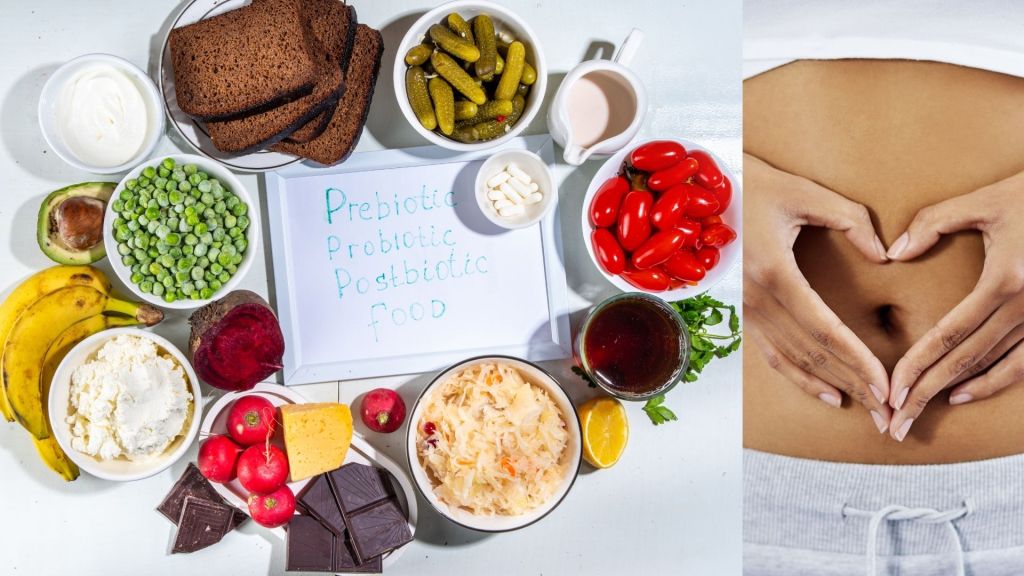
PRO-HEALTH WITH PROBIOTICS
“A healthy gut is the cornerstone of overall wellness.” – Hippocrates
Be pro-health with probiotics
WHAT IS PROBIOTICS?
Probiotics, often hailed as the “good bacteria,” have gained immense popularity in recent years for their potential health benefits. While they offer numerous advantages for everyone, women, in particular, can reap significant rewards from integrating probiotics into their daily routine. We’ll explore the wonders of probiotics, their specific benefits for women’s health, and how to incorporate them into your lifestyle effectively.
Probiotics are living microorganisms that provide health benefits when consumed in adequate amounts. They primarily consist of beneficial bacteria and yeasts that colonize the gut and support various bodily functions. These microorganisms play a crucial role in maintaining gut health, supporting digestion, bolstering the immune system, and even influencing mental well-being.
WE NEED BOTH PROBIOTICS AND PREBIOTICS
Prebiotics, are non-digestible fibers that serve as food for the beneficial bacteria already present in the gut. They promote the growth and activity of these beneficial bacteria, helping to improve gut health and digestion. Prebiotic-rich foods include onions, garlic, bananas, asparagus, and whole grains.
Probiotics can be sourced from a variety of natural sources, making it easy to incorporate them into your daily diet. Fermented foods are among the richest sources of probiotics and include yogurt, kefir, sauerkraut, kimchi, tempeh, and miso. These traditional foods undergo a fermentation process that promotes the growth of beneficial bacteria, such as Lactobacillus and Bifidobacterium strains. Additionally, probiotic supplements are available in various forms, including capsules, tablets, powders, and liquids, providing a convenient option for those looking to boost their probiotic intake. Whether you prefer to enjoy probiotics through food or supplements, incorporating these sources into your routine can help support gut health, digestive function, and overall well-being.

DISTRUBED OR HEALTHY GUT?
Disturbed gut bacteria, known as dysbiosis, can manifest through various symptoms that affect digestion, immunity, mood, and overall well-being. Some common symptoms associated with disturbed gut bacteria include
Digestive issues: These may include bloating, gas, abdominal pain or discomfort, diarrhoea, constipation, and irregular bowel movements.
Food intolerances: Dysbiosis can increase sensitivity to certain foods, resulting in symptoms like nausea, cramping, or diarrhoea after eating specific foods.
Fatigue and low energy levels: An imbalance in gut bacteria can affect nutrient absorption and energy production, leading to feelings of fatigue and lethargy.
Mood disturbances: The gut-brain connection, often called the gut-brain axis, means that disturbances in gut bacteria can impact mood and mental health. Symptoms may include anxiety, depression, irritability, and mood swings.
Skin problems: Dysbiosis has been linked to various skin conditions, including acne, eczema, and rosacea.
Weakened immune function: A healthy gut microbiome supports the immune system. Dysbiosis is associated with susceptibility to infections, frequent colds, and allergies.
Weight changes: Imbalances in gut bacteria can influence metabolism and appetite regulation, potentially leading to weight gain or difficulty losing weight.
Autoimmune conditions: Some autoimmune diseases, such as rheumatoid arthritis, inflammatory bowel disease (IBD), and Hashimoto’s thyroiditis, have been associated with dysbiosis.
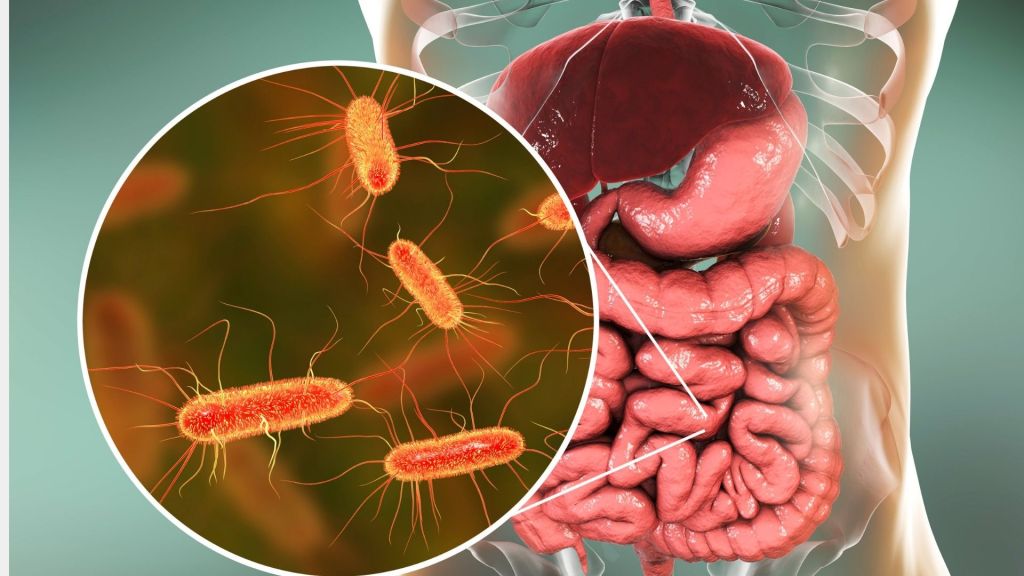
NOT ALL MEDICATIONS ARE GOOD FOR YOUR MICROBIOME…
everal medications can disrupt the microbiome in your gut, altering the balance of beneficial and harmful bacteria. Some common medications known to affect gut microbiota include:
Antibiotics: Antibiotics are designed to kill or inhibit the growth of bacteria, but they can also affect the beneficial bacteria in your gut, leading to dysbiosis.
Nonsteroidal anti-inflammatory drugs (NSAIDs): NSAIDs, such as ibuprofen and aspirin, are commonly used to relieve pain and inflammation. However, long-term use or high doses of NSAIDs have been associated with gastrointestinal issues and alterations in gut microbiota.
Proton pump inhibitors (PPIs): PPIs are medications used to reduce stomach acid production and treat conditions like acid reflux and ulcers. However, prolonged use of PPIs has been linked to changes in gut microbiota and an increased risk of gastrointestinal infections.
Steroids: Corticosteroids, used to treat various inflammatory conditions, can disrupt the balance of gut bacteria, particularly when used over an extended period.
Birth control pills: Some studies suggest that oral contraceptives may alter gut microbiota composition, although the extent and significance of these changes are still being researched.
Chemotherapy drugs: Cancer treatments, such as chemotherapy and radiation therapy, can affect the gut microbiome, leading to gastrointestinal symptoms like nausea, diarrhoea, and changes in bowel habits.
Antidepressants: Certain antidepressant medications have been shown to influence gut microbiota composition, although more research is needed to fully understand the implications of these changes on overall health.
It’s important to note that while these medications can impact the gut microbiome, they are sometimes necessary for managing underlying health conditions. If you’re concerned about the effects of medication on your gut health, it’s best to discuss your concerns with a healthcare professional who can provide personalized guidance and recommendations.
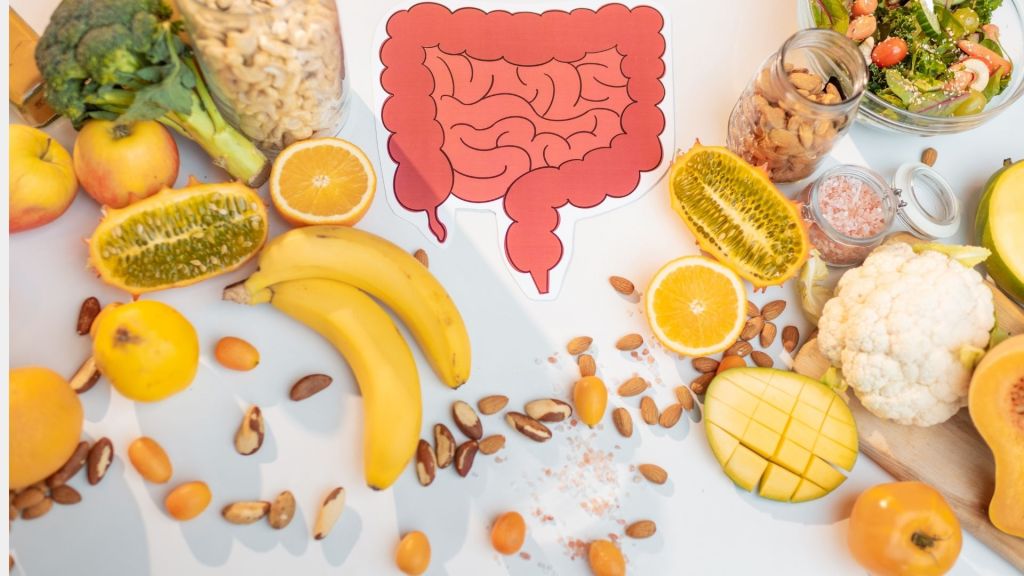
SOURCES OF PROBIOTICS
Here are some food sources that can help replace and maintain a healthy microbiome:
Fiber-rich foods are essential for gut health, acting as a prebiotic, and fueling the growth of beneficial bacteria in the gut. Incorporate plenty of fruits, vegetables, whole grains, legumes, nuts, and seeds into your diet to ensure an adequate fibre intake.
Fermented foods are rich in probiotics. Include fermented foods like yogurt, kefir, sauerkraut, kimchi, tempeh, miso, and kombucha in your diet to introduce beneficial bacteria into your gut.
Polyphenol-rich foods. Polyphenols are plant compounds with antioxidant properties that have been shown to promote the growth of beneficial bacteria in the gut. Include foods such as berries, apples, cherries, grapes, green tea, dark chocolate, and colorful vegetables in your diet to increase polyphenol intake.
Omega-3 fatty acids can be found in fatty fish like salmon, mackerel, and sardines. While plant-based omega-3 fatty acids are found in flaxseeds, chia seeds, and walnuts, all have anti-inflammatory properties that can support gut health and promote a diverse microbiome.
Prebiotic-rich foods that selectively feed beneficial bacteria in the gut include garlic, onions, leeks, asparagus, Jerusalem artichokes, chicory root, bananas, and oats.
Probiotic supplements: While it’s ideal to obtain probiotics from food sources, probiotic supplements can also be beneficial for maintaining a healthy microbiome.
WHICH DOSE IS RIGHT FOR YOU?
The recommended dose for probiotic supplements can vary depending on factors such as the specific strain(s) used, the purpose of supplementation, and individual health needs. However, a common guideline for adults is to take between 1 billion to 10 billion colony-forming units (CFUs) per day. It’s essential to follow the dosage instructions provided on the supplement packaging or as advised by a healthcare professional. Starting with a lower dose and gradually increasing it can help assess tolerance and minimize potential side effects. Always consult with a healthcare provider before starting any new supplement regimen, especially if you have underlying health conditions or are pregnant or breastfeeding.
As always I will share my suggestions and links to product that I can recommend, these links will take you to these products. Thank you for reading my blog and I hope you enjoyed reading it. Until next time, here are the links:
Womens porbiotic
Women’s probiotic with extra bladder and vaginal flora support (No Gluten or Dairy)
 Ask Pharmacist Tiffany
Leave a comment