
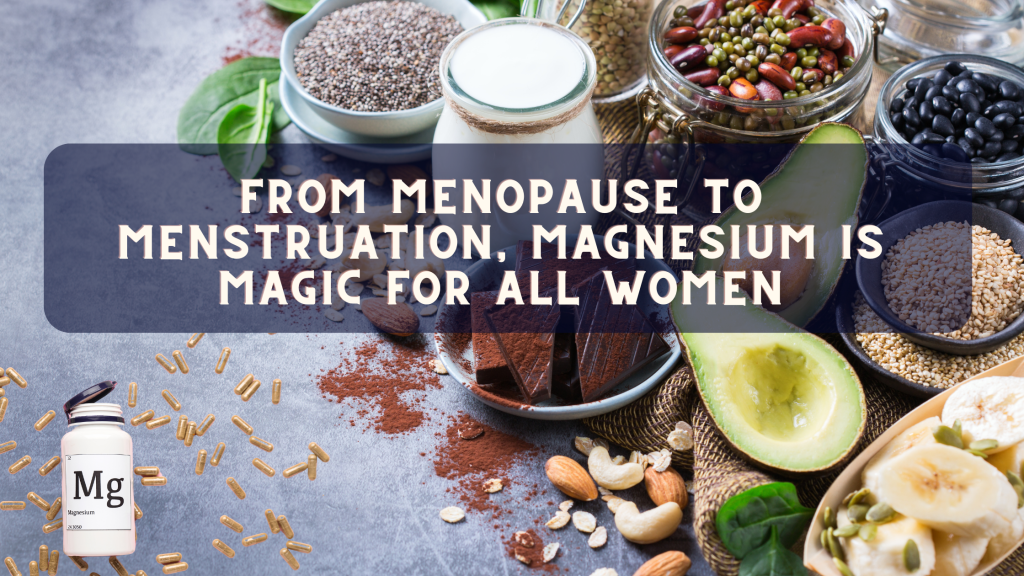
When it comes to health and wellness, magnesium is the unsung hero, quietly doing its magic behind the scenes. This powerful mineral not only keeps us ticking but shines bright in the realm of women’s well-being. From boosting bone health to soothing those monthly blues, magnesium is a real MVP for the ladies.
Magnesium is like a superhero mineral, pulling off over 300 fancy tricks in our bodies. It’s the mastermind behind muscle and nerve function, energy levels, blood sugar control, and even bone strength. Shockingly, many, especially women, might be missing out on this mineral powerhouse in their daily routine.
Sources of Magnesium
Fear not, magnesium is here to save the day, and it comes in many tasty forms:
- Leafy Greens: Spinach, kale, and Swiss chard are your magnesium buddies.
- Nuts and Seeds: Almonds, cashews, pumpkin seeds, and sunflower seeds are magnesium superstars.
- Whole Grains: Brown rice, quinoa, and oats are your go-to for a magnesium boost.
- Legumes: Beans, lentils, and chickpeas offer both fiber and magnesium.
- Seafood: Dive into salmon, mackerel, and halibut for a magnesium-rich meal.
- Dark Chocolate: Treat yourself (in moderation) to dark chocolate, the delicious magnesium source.
Why Magnesium Matters for Women
Maintaining a magnesium-filled life is a total game-changer for women! It’s like having a trusty sidekick in your health journey, tackling bone strength, PMS battles, heart hugs, and stress showdowns like a superhero squad!
Recognizing Magnesium Deficiency
Low levels of magnesium can lead to various symptoms, including:
- Muscle cramps and spasms
- Fatigue and weakness
- Migraines or frequent headaches
- Irregular heartbeat
- Anxiety and mood swings
- Insomnia
Diseases Preventable with Magnesium
Ensuring sufficient magnesium intake may help prevent or manage certain health conditions, including:
- Type 2 Diabetes: Magnesium plays a role in insulin function and glucose metabolism, making it beneficial for diabetes management.
- Hypertension: Adequate magnesium intake has been associated with lower blood pressure, reducing the risk of hypertension.
- Osteoporosis: Magnesium, along with calcium and vitamin D, supports bone health, reducing the risk of osteoporosis and fractures.
- Premenstrual Syndrome (PMS): Magnesium supplementation may alleviate symptoms of PMS, including bloating, mood swings, and menstrual cramps.
Recommended Magnesium Dosage
The recommended dietary allowance (RDA) for magnesium varies depending on age, sex, and life stage. Generally, adult women should aim for around 320 milligrams per day. However, everybody is unique and may have different requirements, especially during exciting times like pregnancy, breastfeeding, or health conditions. Your best bet? Chat with a healthcare pro to nail down the perfect dosage for your one-of-a-kind situation!
Embracing Magnesium for Optimal Health
Incorporating magnesium-rich foods into your diet and potentially considering supplementation can greatly benefit women’s health. Remember, nurturing your body internally is key to wellness, and magnesium plays a significant role in this process. So let’s dive into the benefits of magnesium for every stage women will experience in their life journey.
Benefits of Magnesium during menstruation
1. Reduces Premenstrual Symptoms: Many women experience premenstrual symptoms such as bloating, mood swings, irritability, and breast tenderness in the days leading up to their period. Magnesium’s calming effects on the nervous system can help alleviate these symptoms, promoting a greater sense of calm and emotional stability.
2. Regulates Mood: Hormonal fluctuations during menstruation can sometimes lead to mood swings and irritability. Magnesium plays a crucial role in neurotransmitter function, including serotonin, which is often referred to as the “feel-good” neurotransmitter. By supporting serotonin production, magnesium can help regulate mood and promote a more positive emotional state during menstruation.
3. Supports Hormonal Balance: Maintaining proper hormonal balance is essential for overall menstrual health. Magnesium helps regulate hormone levels, including those involved in the menstrual cycle, such as estrogen and progesterone. By supporting hormonal balance, magnesium can contribute to a smoother menstrual cycle and reduce the severity of associated symptoms.
4. Promotes Better Sleep: Many women experience disruptions in their sleep patterns during menstruation, which can be attributed to hormonal changes and discomfort from cramps. Magnesium’s calming effect on the nervous system can help promote relaxation and improve sleep quality, leading to better rest despite menstrual discomfort.
Menopausal Women:
- Bone Health: During menopause, women are at an increased risk of osteoporosis due to hormonal changes. Magnesium, along with calcium and vitamin D, supports bone density and may help reduce the risk of fractures.
- Heart Health: Menopausal women are more susceptible to heart disease. Magnesium helps regulate blood pressure, supports cardiovascular function, and may reduce the risk of heart-related issues.
- Mood Stability: Hormonal fluctuations during menopause can lead to mood swings and irritability. Magnesium plays a role in neurotransmitter function and may help alleviate symptoms of anxiety and depression.
- Sleep Quality: Many menopausal women experience sleep disturbances. Magnesium promotes relaxation and may improve sleep quality by regulating neurotransmitters involved in the sleep-wake cycle.
Pregnant Women:
- Fetal Development: Magnesium is essential for fetal growth and development, particularly in the formation of bones, muscles, and nervous system tissues.
- Gestational Diabetes Prevention: Adequate magnesium intake may help reduce the risk of gestational diabetes, a condition that can arise during pregnancy and affect both maternal and fetal health.
- Muscle Relaxation: Magnesium’s muscle-relaxing properties can alleviate common pregnancy discomforts such as leg cramps and uterine contractions.
- Blood Pressure Regulation: Pregnant women with sufficient magnesium levels may have a lower risk of developing hypertension (high blood pressure) and related complications.
Breastfeeding Women:
- Postpartum Recovery: Magnesium supports muscle function and aids in postpartum recovery, helping women regain strength and vitality after childbirth.
- Milk Production: Magnesium is involved in the synthesis and secretion of breast milk. Ensuring adequate magnesium levels can support healthy lactation and sufficient milk supply.
- Stress Management: Breastfeeding can be demanding both physically and emotionally. Magnesium’s calming effects may help reduce stress and promote relaxation in breastfeeding women.
- Energy Production: Magnesium is essential for energy metabolism, which is crucial for breastfeeding women who may experience increased energy demands due to lactation.
Conclusion:
Magnesium is like a superhero for women during key life stages like menopause, pregnancy, and breastfeeding. From keeping bones strong to calming the heart, this mineral is a rock star in the wellness world. So, loading up on magnesium through food and maybe a supplement can be a game-changer for navigating these life chapters like a boss. Remember, teaming up with a healthcare pro is always a smart move for personalized care and high-five support!
 Ask Pharmacist Tiffany
Leave a comment